Single-board computing
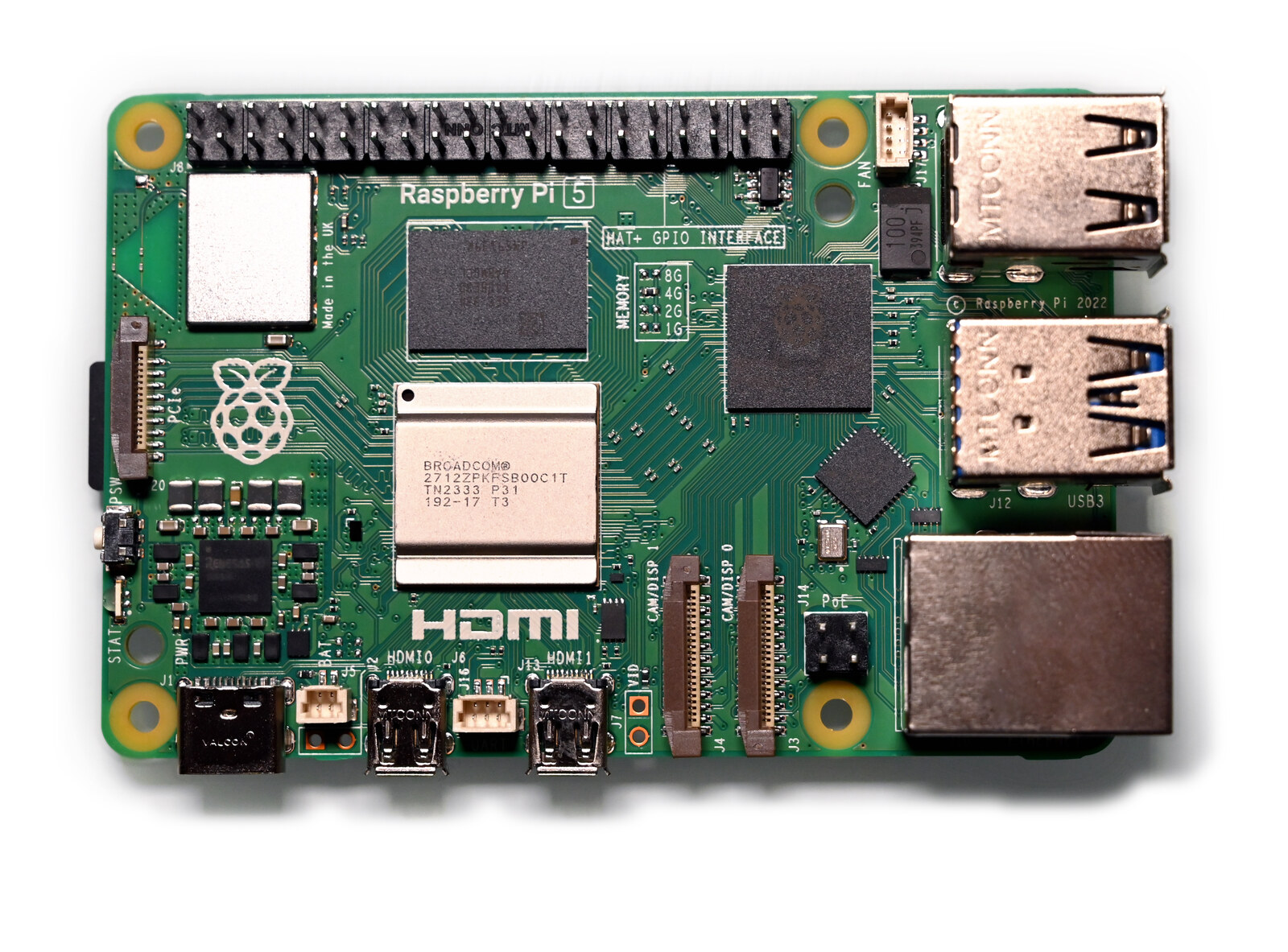
Raspberry Pi
A versatile base for smart gateways, operator interfaces, recorders, monitoring systems, robotic prototypes and Linux-connected equipment.
We design high-performance embedded systems, from functional prototype to industrialization: edge AI, connected electronics, data acquisition, robotics, and control interfaces.
Compact platforms for local processing, embedded AI, and energy, thermal, or vibration constraints. The RTOS vs Linux choice follows latency and the application ecosystem.
Deterministic software, hardware control, and board / bus / sensor integration. Integration quality often matters more than the component alone.
Environmental qualification and integration testing protect the path from lab to field. We document limits, margins and update procedures.
We select micro-hardware based on power, consumption, latency, environment, connectivity, and maintainability constraints. Each architecture is designed as a complete, evolvable, secured system.
A versatile base for smart gateways, operator interfaces, recorders, monitoring systems, robotic prototypes and Linux-connected equipment.
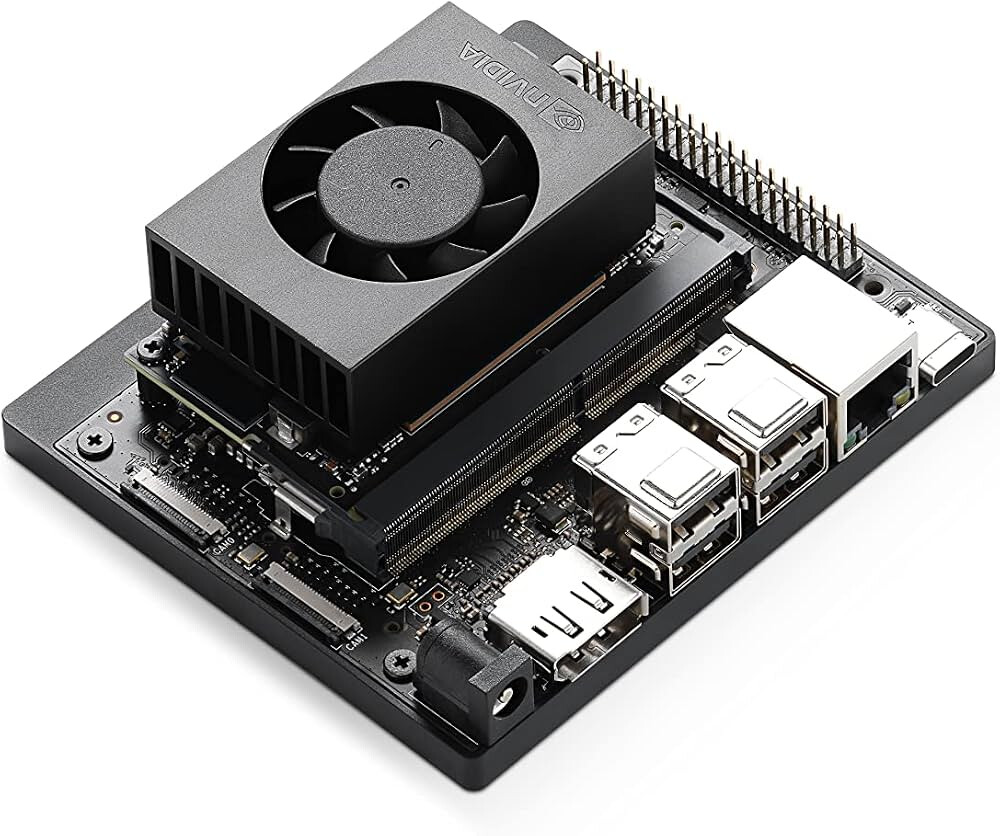
For intensive processing closest to the field: computer vision, sensor fusion, object detection, autonomous navigation, and low-latency multimodal AI agents.
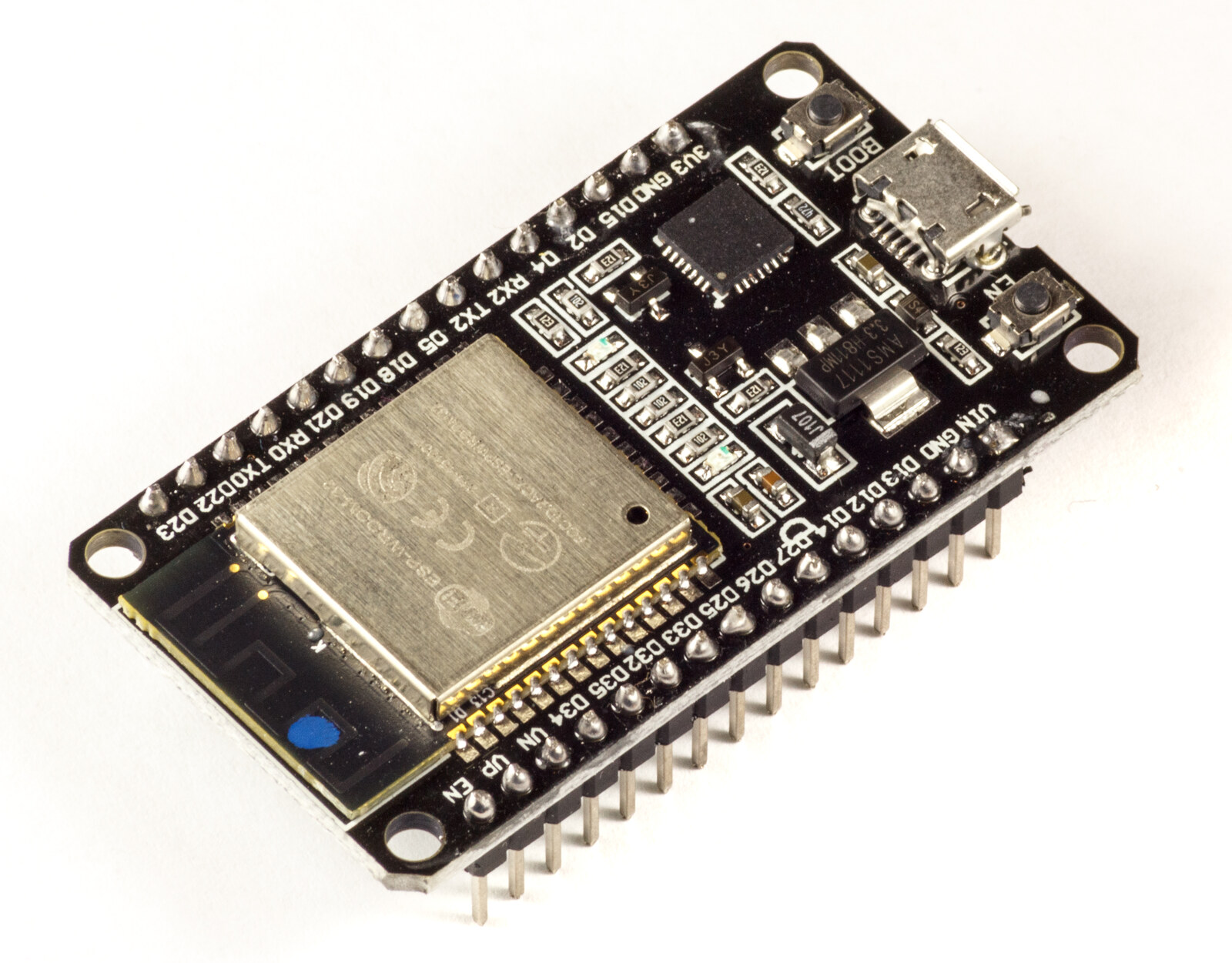
Compact, power-efficient, and connected, the ESP32 suits autonomous sensors, distributed control, communicating devices, and Wi-Fi, Bluetooth, or mesh radio interfaces.
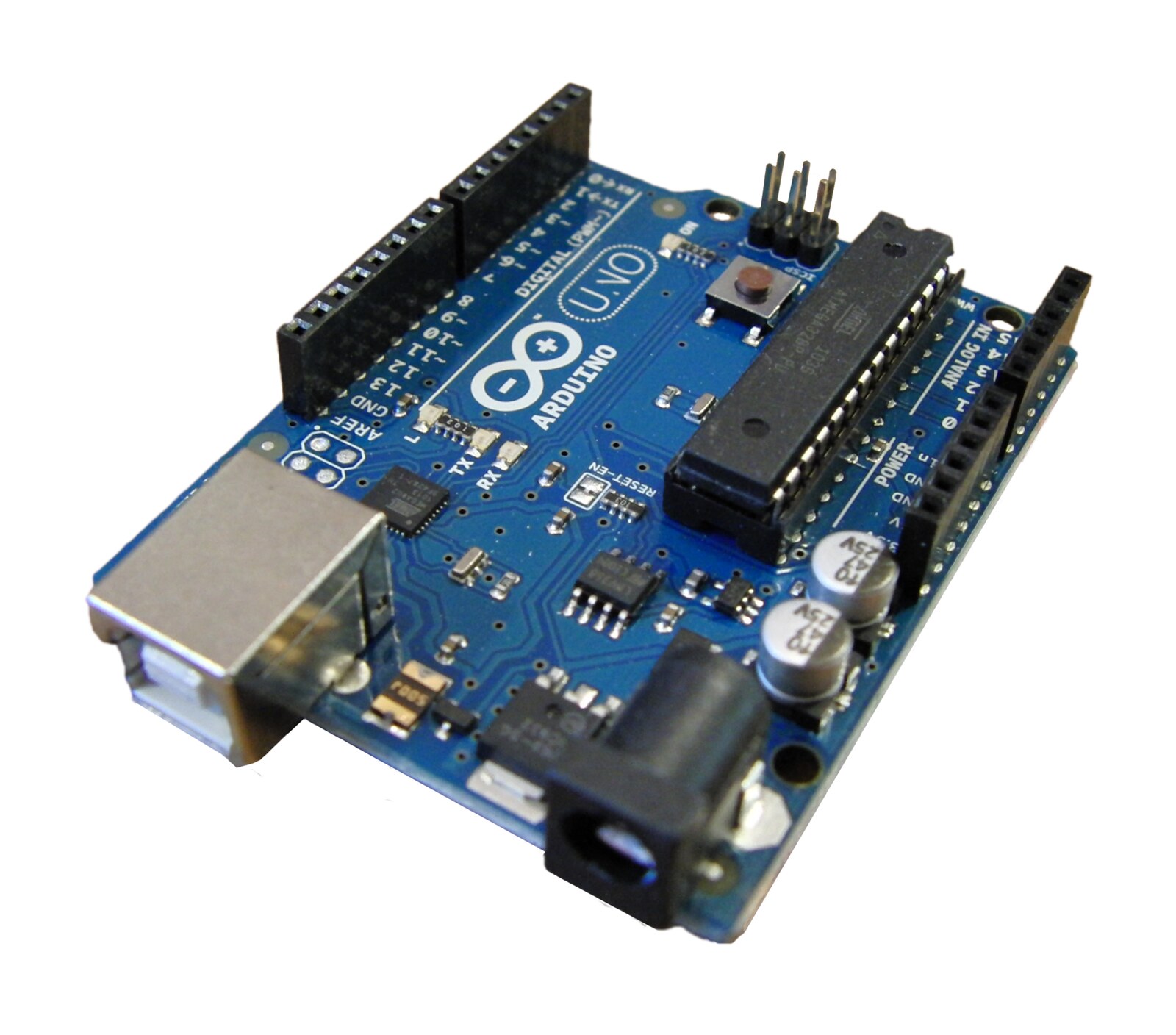
For deterministic and critical functions: motor control, fast acquisition, industrial protocols, real-time commands, signal processing, and custom electronics.
Micro-hardware is only one component. We integrate electronics, firmware, embedded software, cloud, communications and business interfaces into a coherent architecture.
Platform selection, feasibility study, proof of concept, test benches, and functional validation.
Low-level development, embedded Linux, RTOS, drivers, APIs, local monitoring and secure updates.
Model optimization, computer vision, local inference, video pipelines, and sensor data fusion.
Environmental constraints, integration testing, documentation, and the path from lab to field.
Compute units, real time, electronics and field qualification—from need to operability.